 Veterinary Training Course in Dhaka Pharmacy, Dental, Nursing, Veterinary, Physiotherapy, Pathology and Homeopathy training course



Veterinary Diploma 4 Years DMDS Vet Profile
Veterinary Diploma 4 Years DMDS Vet Course. Mobile Phone Number 01797522136, 01987073965. Veterinary 4 Years DMDS Vet is a long Veterinary Course. 4 Years are divided into 8 Semesters. Total Subjects 30, Exam Marks 3000, Total Course Fee Tk 182500/- including Admission Fee, Semester Fee ( Taken Monthly), and Exam Fee. Weekly Class 3 Days for Regular Students(3 Hours) and 1 Day for Jobholders (3 Hours). Class Days are Friday, Saturday, and Monday. Veterinary 4 Years Diploma is available at HRTD Medical Institute. HRTD Medical Institute is an organization of HRTD Limited ( Government Registered )
Location of Veterinary Diploma 4 Years DMDS Vet Course
Location of Veterinary 4 Years DMDS Vet Course. Mobile Phone 01797522136, 01987073965. HRTD Medical Institute( Veterinary Division), Section-6, Block-Kha, Raod-1, Plot-11, Metro Rail Piller No. 249, Dhaka-1216.
Subjects for Veterinary 4 Years Diploma DMDS Vet Course
1st Year Subjects for Veterinary Diploma 4 Years DMDS Vet Course (1st Semester & 2nd Semester)
- Veterinary Anatomy & Physiology
- Chemistry & Pharmacology
- Animal Disease & Treatment
- First Aid & Vaccination
- Cattle Farm Management
- Veterinary Microbiology & Antimicrobial Drugs
- Bio Security
- Hematology & Pathology
- Animal Infectious Disease-1
- Animal Breeding & AI (Artificial Insemination)
2nd Year Subjects for Veterinary 4 Years Diploma DMDS Vet Course (3rd Semester & 4th Semester)
- Animal Restraint & Medical Diagnosis
- Animal Estrus & Reproductive Disease
- Common Canine Disease ( Disease of Dog)
- Common Feline Disease ( Disease of Cat)
- Digestion & Nutrition
- Common Diseases of Goats
- Veterinary Pathology
- Veterinary Biochemistry
3rd Year Subjects for Veterinary Diploma DMDS Vet Course ( 5th Semester & 6th Semester)
- Veterinary Surgery & Orthopedics
- Veterinary Pregnancy Care & Obstetric
- Animal Antibiotics, Vitamins & Mineral
- Veterinary Cardiology
- Veterinary Parasitology
- Animal Infectious Disease-2
4th Year Subjects for Veterinary Diploma 4 Years DMDS Vet Course ( 7th Semester & 8th Semester)
- Animal & Poultry Food Management
- Veterinary Hematology
- Poultry Broiler, Incubation & Brooding
- Veterinary Immunology
- Veterinary Toxicology
- Veterinary Gastrology
Practical Class and Internship for DMDS Veterinary Diploma
Heart Beat, Heart Rate, Pulse, Pulse Rate, Strong Pulse, Weak Pulse, Tachycardia, Bradycardia, Blood Pressure, Normal Blood Pressure, Systolic Blood Pressure, Diastolic Blood Pressure, Pulse Pressure, Mean Blood Pressure, Hypertension, Hypotension, Anemia, Cleaning, Dressing, Bandaging, Stitching, Blood Glucose, Edema, Dehydration, Nebulizer, Oxygen Inhalation, Pulse Oxymeter, Shock Management, Pressure Management, etc
হৃদস্পন্দন, হৃদস্পন্দন, নাড়ি, নাড়ির হার, তীব্র নাড়ি, দুর্বল নাড়ি, টাকাইকার্ডিয়া, ব্র্যাডিকার্ডিয়া, রক্তচাপ, স্বাভাবিক রক্তচাপ, সিস্টোলিক রক্তচাপ, ডায়াস্টোলিক রক্তচাপ, নাড়ির চাপ, গড় রক্তচাপ, উচ্চ রক্তচাপ, হাইপোটেনশন, রক্তাল্পতা, পরিষ্কার করা, ড্রেসিং, ব্যান্ডেজিং, সেলাই, রক্তের গ্লুকোজ, শোথ, পানিশূন্যতা, নেবুলাইজার, অক্সিজেন ইনহেলেশন, নাড়ি অক্সিমিটার, শ্বসন পরীক্ষা শক ম্যানেজমেন্ট, প্রেসার ম্যানেজমেন্ট, ইত্যাদি।
Animal & Poultry Food Management:
Definition:
Animal & Poultry Food Management হলো গবাদি পশু ও পোলট্রির সঠিক ও সুষম খাদ্য পরিকল্পনা, প্রস্তুতি, সংরক্ষণ এবং বিতরণের প্রক্রিয়া, যা তাদের স্বাস্থ্য, বৃদ্ধি ও উৎপাদন ক্ষমতা বজায় রাখে।
Objectives (উদ্দেশ্য):
- প্রাণীর সুষম পুষ্টি নিশ্চিত করা।
- স্বাস্থ্য ও রোগ প্রতিরোধ ক্ষমতা বজায় রাখা।
- উৎপাদন (দুধ, মাংস, ডিম) বৃদ্ধি করা।
- খাদ্যের অপচয় কমানো ও খরচ নিয়ন্ত্রণ করা।
- পুষ্টিজনিত রোগ প্রতিরোধ করা।
Types of Feed (খাদ্যের ধরন):
🐃 For Animals:
- Roughages (রাফেজ): ঘাস, খড়, সাইলেজ ইত্যাদি।
- Concentrates (কনসেনট্রেট): ভুষি, তেলখল, শস্যদানা।
- Supplements (সম্পূরক): খনিজ ও ভিটামিন।
🐔 For Poultry:
- Starter Feed: বাচ্চার জন্য (০–৪ সপ্তাহ)।
- Grower Feed: বাড়ন্ত মুরগির জন্য (৫–১২ সপ্তাহ)।
- Layer Feed: ডিম উৎপাদনকারী মুরগির জন্য।
- Broiler Feed: মাংস উৎপাদনের জন্য।
Feed Ingredients (খাদ্য উপাদান):
| ধরণ | উদাহরণ |
|---|---|
| Energy Source (শক্তির উৎস) | ভুট্টা, গম, চালের ভুষি |
| Protein Source (প্রোটিনের উৎস) | সয়াবিন খল, মাছের গুঁড়ো, তেল খল |
| Minerals (খনিজ) | লবণ, চুন, হাড়ের গুঁড়ো |
| Vitamins (ভিটামিন) | প্রিমিক্স ভিটামিন |
| Additives (অ্যাডিটিভ) | এনজাইম, প্রোবায়োটিক, অ্যান্টিঅক্সিডেন্ট |
Feed Formulation Principles (খাদ্য তৈরির মূলনীতি):
- সুষম পুষ্টি নিশ্চিত করা (কার্বোহাইড্রেট, প্রোটিন, চর্বি, খনিজ, ভিটামিন)।
- প্রাণীর বয়স, প্রজাতি ও উৎপাদন স্তর বিবেচনা করা।
- স্থানীয় উপাদান ব্যবহার করে ব্যয় কমানো।
- খাদ্য পরিষ্কার ও দূষণমুক্ত রাখা।
- নষ্ট বা ফাঙ্গাসযুক্ত খাদ্য ব্যবহার না করা।
Feed Storage & Handling (সংরক্ষণ ও ব্যবস্থাপনা):
- শুষ্ক, ঠান্ডা ও ইঁদুরমুক্ত স্থানে সংরক্ষণ করতে হবে।
- FIFO (First In, First Out) পদ্ধতি অনুসরণ করতে হবে।
- খাদ্য ব্যাগে লেবেল ও ঢাকনা দিতে হবে।
- আর্দ্রতা থেকে দূরে রাখতে হবে যাতে ছত্রাক না হয়।
Common Feed-Related Diseases (খাদ্যজনিত রোগ):
| রোগের নাম | কারণ |
|---|---|
| Rickets | ক্যালসিয়াম বা ভিটামিন D ঘাটতি |
| Anemia | আয়রন বা কপার ঘাটতি |
| Fatty Liver | অতিরিক্ত শক্তি জাতীয় খাদ্য |
| Aflatoxicosis | ছত্রাক দ্বারা খাদ্য দূষণ |
Importance (গুরুত্ব):
✅ প্রাণীর উৎপাদনশীলতা বৃদ্ধি করে
✅ মৃত্যুহার কমায়
✅ প্রজনন ক্ষমতা উন্নত করে
✅ ফার্মের মুনাফা বাড়ায়
Other Veterinary Courses of HRTD Medical Institute
- LMA Vet 6 Months
- LMA Vet 1 Year
- RMP Vet 6 Months
- RMP Vet 1 Year
- Veterinary Pharmacy Course 6 Months
- Veterinary Pharmacy Course 1 Year
- EMA Vet 2 Years
- Veterinary Pharmacy Course 2 Years
- Paramedical Vet 1 Year
- Paramedical Vet 2 Years
- Paramedical Vet 3 Years
- DMA Vet 1 Year
- DMA Vet 2 Years
- DMA Vet 3 Years
- DPM Vet 2 Years
- DPM Vet 3 Years
- DMDS Vet 4 Years
- Veterinary Nursing Course 6 Months
- Veterinary Nursing Course 1 Year
- Veterinary Nursing Course 2 Years
- Veterinary Nursing Course 3 Years
- Diploma in Medicine & Diploma in Surgery in Veterinary
Veterinary Anatomy and Physiology for Veterinary Diploma DMDS Vet Course
The study of the Body Structure and its functions is Anatomy and Physiology. Here we discuss the systems of the Animal Body and its Organs, Tissues, and Cells. The systems of the Animal Body are the Digestive System, Respiratory System, Cardiovascular System, Skeletal System, Muscular System, Nervous System, Endocrine System, Immune System, Lymphatic System, Integumentary System, and Urinary System.
Pharmacology-1 for Veterinary Diploma DMDS Course
The study of Drugs and Medicine is called Pharmacology. Here we discuss group-wise drugs and their medicines in Pharmacology-1. Common Groups of Drugs are Pain Killer Drugs, Anti Ulcer Drugs, Anti Vomiting Drugs, Laxative Drugs, Motility Drugs, Antimotility Drugs, Bronchodilator Drugs, Antibiotic Drugs, Anti Fungal Drugs, Anti Protozoal Drugs, Anti Viral Drugs, Anthelmintic Drugs, Anti Hypertensive Drugs, Beta Blocker Drugs, Calcium Channel Blocker Drugs, ACE Inhibitor Drugs, Hemostatic Drugs, Analgesic Drugs, Antipyretic Drugs, Anti Thrombotic Drugs, etc.
First Aid for Diploma in Veterinary/ DMDS Vet Course
First Aid is an important subject for Veterinary Courses, including Diplomas in Medicine& Surgery Courses in Veterinary, RMP Vet Courses, LMAF Vet Courses, Paramedical Vet Courses, DMA Vet Courses, DMS Vet Courses, Veterinary Nursing Courses, Veterinary Pathology Courses, etc. Here we discuss Shock, Classification Shock, Causes of Shock, Stages of Shock, Clinical Features of Shock, Hypovolemic Shock, Cardiogenic Shock, Neurogenic Shock, Traumatic Shock, Burn Shock, Electric Shock, Psychogenic Shock, Anaphylactic Shock, First Aid of Shock, First Aid of Cut, First of Snake Bite, First Aid of Accidental Injury, etc.
Cattle Farm Management for DMDS Veterinary Diploma
Cattle farm management involves integrated practices for housing, nutrition, health, breeding, and record-keeping to ensure animal well-being, maximize productivity (milk/meat), and profitability. Key areas include providing clean, ventilated shelters; a balanced diet with quality roughage/concentrates; disease prevention via vaccines/parasite control; genetic improvement through AI; and diligent tracking of health, production, and finances for informed decisions and sustainable growth.
Key Management Areas
- Housing & Environment:
- Clean, dry, well-ventilated sheds protected from the weather.
- Proper drainage for waste.
- Comfortable resting/feeding areas to prevent lameness.
- Nutrition & Feeding:
- Balanced diet (roughage, concentrates, minerals) for different life stages.
- Constant access to clean water (50-100L/cow/day).
- Silos/covered storage for feed to prevent spoilage.
- Health & Hygiene:
- Regular vet checkups, vaccinations, parasite control.
- Hygiene in sheds and milking areas.
- Deworming calves, dehorning/castrating at appropriate ages.
- Breeding & Genetics:
- Use AI with quality semen for improved genetics (e.g., high yield/disease resistance).
- Cross-breeding local and foreign breeds for desired traits.
- Monitor heat cycles for timely insemination.
- Record Keeping & Finance:
- Track milk yield, breeding, health, expenses, and revenues.
- Essential for monitoring performance and making business decisions.
- Herd Management:
- Calf management: Ear tags, individual pens initially, separate sexes after 6 months.
- Culling unproductive cows to maintain herd quality.
- Manure management (biogas, composting).
- Day-to-Day Operations:
- Daily cleaning, feeding, grooming, exercising bulls, and treating sick animals.
Veterinary Microbiology for DMDS Veterinary Diploma
Veterinary microbiology is the study of microbes (bacteria, viruses, fungi) causing infectious diseases in animals, crucial for livestock, poultry, companion animals, and wildlife, focusing on diagnosis, prevention, and treatment, and involves areas like bacteriology, virology, immunology, and modern genomics, working to protect animal health and public health (zoonoses). It bridges the gap between animal and human health by tackling disease transmission and antimicrobial resistance.
Key Areas of Study
- Bacteriology & Virology: Identifying and understanding bacterial and viral pathogens.
- Mycology: Studying fungal diseases.
- Immunology: Researching host immune responses to infections.
- Molecular Diagnostics: Using advanced tools like genomics and bioinformatics.
What Veterinary Microbiologists Do
- Research: Investigate causes, mechanisms, and spread of animal infectious diseases.
- Diagnosis: Conduct laboratory work to identify pathogens and inform treatment decisions.
- Prevention: Develop vaccines and control strategies.
- Public Health: Monitor zoonotic diseases (transmissible to humans) and antimicrobial resistance (AMR).
Importance
- Ensures healthy food supplies (livestock, poultry).
- Protects companion animals and wildlife.
- Safeguards human health by controlling animal-related infections and AMR.
Veterinary Antimicrobial Drugs for Veterinary Diploma DMDS
Veterinary antimicrobial drugs are essential medications used to treat, control, and prevent bacterial infections in a wide range of animals, including livestock and companion animals. Their use is a critical component of animal health and welfare, but it is heavily regulated due to concerns about the development of antimicrobial resistance (AMR) that can affect both animal and human health.
Common Classes of Veterinary Antimicrobials
Veterinary medicine utilizes various classes of antimicrobials, some of which are shared with human medicine, while others are used exclusively in animals.
- Aminoglycosides Used for serious infections, especially those involving Pseudomonas aeruginosa. Gentamicin is an example, and some related drugs like apramycin are only for animal use.
- Cephalosporins A broad class used for septicemias, respiratory infections, and mastitis. Third and fourth-generation cephalosporins are considered critically important in human medicine.
- Macrolides Important for treating Mycoplasma infections in pigs and poultry, and respiratory infections in cattle. Examples include erythromycin and tulathromycin.
- Penicillins Widely used for septicaemias and respiratory/urinary tract infections in many species.
- Phenicols Particularly important for treating certain fish diseases and respiratory infections in cattle, swine, and poultry; florfenicol is a key example.
- Quinolones This class includes fluoroquinolones, which are highly important in human medicine and their use in animals is strictly regulated to minimize resistance.
- Tetracyclines are A broad-spectrum and widely used group of antibiotics in veterinary practice due to their efficacy against a variety of bacteria. Doxycycline is a common example.
Judicious Use and Regulation
The veterinary profession emphasizes the judicious and responsible use of these drugs, often referred to as antimicrobial stewardship. Key principles include:
- Prescribing antimicrobials only when a bacterial infection is confirmed or reasonably suspected.
- Using the narrowest spectrum drug possible to target the specific pathogen.
- Utilizing susceptibility testing, especially for serious or recurring infections.
- Adhering to strict withdrawal periods in food-producing animals to ensure no drug residues remain in the food supply.
Regulatory bodies like the World Organisation for Animal Health (WOAH) and national health agencies categorize these drugs based on their importance to human medicine, guiding veterinarians to avoid, if possible, using those deemed “critically important” for humans when alternatives are available.
Bio Security
Biosecurity involves measures to prevent the introduction or spread of harmful organisms (pests, diseases, pathogens) to animals, humans, plants, and the environment, protecting industries, economies, and ecosystems from risks like foreign animal diseases or invasive species. It’s a strategic approach, implemented through practices like controlling movement of people, vehicles, equipment, and products (food, wood), ensuring cleanliness (clean shoes/tools), and managing waste and wildlife contact, to create “clean” and “dirty” zones.
Key Aspects of Biosecurity:
- Risk Management: Analyzes and manages threats to human, animal, and plant health, as well as environmental risks.
- Prevention: Focuses on stopping pests and diseases from entering a farm, country, or new area.
- Control: Reduces the spread if an organism gets in.
- Integrated Approach: Combines policies, regulations, and practical actions.
Common Biosecurity Practices:
- Cleanliness: Cleaning and disinfecting vehicles, machinery, tools, and footwear before moving between locations.
- Movement Control: Restricting contact with animals/people from high-risk areas, controlling the movement of live animals, plants, and products.
- Containment: Keeping wildlife and feral animals away from livestock.
- Monitoring: Being vigilant for new pests or diseases.
Where it Applies:
- Agriculture & Livestock: Farms, production animals (cattle, poultry).
- Forestry & Horticulture: Preventing tree pests and diseases.
- Environment: Protecting natural habitats from invasive species.
- International Trade: Protecting borders from exotic pests/diseases, preserving market access.
Why it’s Important:
- Safeguards food security, animal welfare, and human health.
- Protects biodiversity and natural resources.
- Maintains economic stability for industries.
Veterinary Hematology
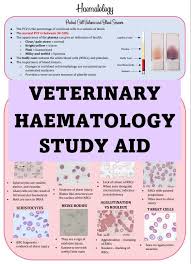
Veterinary hematology is the study and diagnostic evaluation of blood and bone marrow in domestic and non-domestic animals. It is a critical component of veterinary clinical pathology used to assess an animal’s overall health, detect diseases such as anemia or leukemia, and monitor treatment responses.
Key Components of Veterinary Hematology
- Hematopoiesis: The biological process of blood cell production (red cells, white cells, and platelets), primarily occurring in the bone marrow in adult animals.
- Complete Blood Count (CBC): The most common diagnostic test, which provides quantitative data on:
- Red Blood Cells (RBCs/Erythrocytes): Evaluated for oxygen-carrying capacity via measurements like Hemoglobin (Hgb) and Packed Cell Volume (PCV).
- White Blood Cells (WBCs/Leukocytes): Analyzed through a differential count (neutrophils, lymphocytes, monocytes, eosinophils, basophils) to identify inflammation or infection.
- Platelets (Thrombocytes): Assessed to ensure proper blood clotting and to detect bleeding disorders.
- Morphology: Microscopic examination of blood smears to observe the shape and structure of cells, which can reveal specific parasites or toxic changes.
Unique Species Differences
Unlike human hematology, veterinary hematology must account for significant physiological variations across species:
- Nucleated RBCs: Birds, reptiles, amphibians, and fish have nucleated red blood cells and platelets (thrombocytes), making automated analysis more complex than in mammals.
- Cell Size: Erythrocyte size varies wildly, from approximately 15–19 fL in goats and sheep to 120–160 fL in elephants and sloths.
- Automated Analyzers: Equipment must be specifically calibrated for the target species to prevent diagnostic errors.
Diagnostic Tools and Resources
- Analyzers: Modern clinics use 3-part or 5-part automated analyzers to provide rapid, accurate cell counts and differentials.
Veterinary Pathology
Veterinary pathology is the branch of veterinary medicine focused on diagnosing animal diseases by examining tissues, fluids, and whole bodies, acting as crucial diagnosticians for pets, livestock, and wildlife, and playing a vital role in public health by tracking zoonotic diseases. It splits into Anatomical Pathology (necropsies, biopsies, histology) and Clinical Pathology (blood/urine analysis, cytology), with roles in research, drug development, and disease surveillance for both animal and human health.
Key Areas & Roles:
- Diagnosis: Examining samples (tissues, blood, fluids) under a microscope to find causes of illness in various species (pets, farm animals, zoo animals).
- Anatomical Pathology: Autopsies (necropsies) and histopathology (microscopic tissue study).
- Clinical Pathology: Hematology (blood), biochemistry, cytology (cell analysis).
- Research & Development: Studying disease mechanisms, contributing to new treatments, and working in the pharmaceutical industry.
- Public Health: Monitoring diseases that can spread between animals and humans (zoonoses).
- Education: Teaching veterinary students and researchers.
What They Do:
- Microscopic Analysis: Analyze cells and tissues for abnormalities.
- Problem Solving: Investigate complex cases, often collaborating with other vets.
- Reporting: Write detailed reports to guide treatment plans.
- Disease Surveillance: Track outbreaks in animal populations.
Career Path:
- Requires becoming a licensed veterinarian first.
- Specialized postgraduate training (residency) is necessary.
- Board certification leads to becoming a Diplomate (e.g., ACVP, ECVP).
Importance:
- Provides definitive diagnoses, offering closure to owners and guiding treatment.
- Improves overall animal health and veterinary care.
- Protects human health by identifying emerging infectious threats
Animal Infectious Disease
Animal infectious diseases are illnesses in animals (livestock, poultry, pets, wildlife, aquatic life) caused by pathogens like viruses, bacteria, fungi, or parasites, posing threats to animal welfare, food security, and even humans (zoonoses), with examples including Rabies, Avian Flu, Foot & Mouth Disease, and African Swine Fever, managed through surveillance (WOAH) and prevention.
Key Aspects of Animal Infectious Diseases
- Causes: Pathogens like viruses (Rabies, Avian Flu), bacteria (Salmonella, Listeria), fungi, parasites, and prions.
- Transmission: Spread through bites, contaminated fluids/food/water, direct contact, or vectors, often facilitated by globalization and environmental changes.
- Impact: Threatens global food security, economic stability, animal health, and human health (zoonotic diseases).
- Examples:
- Zoonotic (Animal to Human): Rabies, Avian Influenza, Ebola, some Salmonella strains.
- Non-Zoonotic (Animal Specific): Foot & Mouth Disease (FMD), African Swine Fever (ASF), Lumpy Skin Disease (LSD).
Major Concerns & Examples
- Foodborne Illnesses: Salmonella (eggs, meat), Campylobacter (chicken), Listeria (deli meats, fish).
- Highly Contagious: FMD, ASF, Rinderpest (eradicated but significant).
- Emerging Threats: Diseases like COVID-19 have animal origins, highlighting zoonotic risks.
Management & Control
- Surveillance: Organizations like the World Organisation for Animal Health (WOAH) track listed diseases.
- Prevention: Vaccination (Rabies), biosecurity, and hygienic practices.
- Research: Animals are crucial models for understanding and treating human infectious diseases.
Animal Breeding
Animal breeding is the science and practice of selectively mating animals to enhance desirable traits (like disease resistance, yield, or appearance) and improve genetic quality, using principles from genetics, statistics, and genomics to develop better livestock or companion animals, with methods ranging from basic inbreeding/crossbreeding to advanced genetic technologies for cumulative genetic progress.
This video provides a general overview of modern animal breeding:
Key Goals & Benefits
- Improve Production: Increase efficiency in farm animals (milk, meat, eggs).
- Enhance Health & Welfare: Select for disease resistance, fertility, and longevity.
- Environmental Sustainability: Reduce resource use (feed, water) and methane production.
- Genetic Improvement: Achieve lasting, cumulative genetic gains in populations.
You can watch this video to learn about the basic terms used in animal breeding:
Core Concepts & Methods
- Selection: Choosing parent animals (sires/dams) based on their genetic merit (breeding value).
- Pure Breeding: Mating animals within the same breed, often involving:
- Inbreeding: Mating related individuals (e.g., siblings, cousins) to fix traits.
- Outbreeding (Outcrossing): Mating unrelated individuals within the same breed.
- Crossbreeding (Hybridization): Mating animals from different breeds, often for “hybrid vigor”.
- Genetic Tools: Using genomics, performance testing, and quantitative genetics to predict breeding values.
Modern Applications
- Utilizes advanced techniques like artificial insemination (AI) and genetic engineering.
- Involves complex data analysis (pedigrees, performance records).
- Aims to balance multiple traits for overall herd or population improvement.
Types of Breeding Programs
- Commercial: Focus on rapid production gains.
- Conservation: Preserve rare or endangered native breeds.