 Veterinary Training Course in Dhaka Pharmacy, Dental, Nursing, Veterinary, Physiotherapy, Pathology and Homeopathy training course



Feline panleukopenia virus
Feline panleukopenia (FP), commonly called feline distemper or “cat parvo”, is a highly contagious, severe, and often fatal viral disease of cats caused by the feline parvovirus (FPV). It is found worldwide and is particularly dangerous for unvaccinated cats and young kittens.
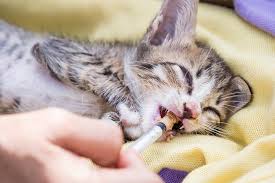

Transmission of Feline panleukopenia virus
The virus is extremely resilient and can survive in the environment for up to a year or longer on contaminated surfaces, including bedding, food bowls, and clothing/shoes. Transmission occurs through:
- Direct contact with infected cats.
- The fecal-oral route, as high amounts of the virus are shed in an infected cat’s feces, vomit, urine, saliva, and mucus.
- Contaminated objects (fomites).
- Fleas.
- In utero (from a pregnant cat to her kittens), which can cause brain damage (cerebellar hypoplasia) in the kittens.
FPV does not affect humans or dogs, although ferrets can contract and spread the disease.
Symptoms of Feline panleukopenia virus Infection
Symptoms typically appear after an incubation period of 2 to 7 days. The virus attacks rapidly dividing cells in the digestive system, bone marrow, and lymph tissue, leading to a significant drop in white blood cells (panleukopenia) and immune system suppression.
Common signs of Feline panleukopenia virus Infection
- Profound lethargy and depression.
- Loss of appetite (anorexia).
- High fever.
- Vomiting and (sometimes bloody) diarrhea.
- Severe dehydration; cats may sit at their water bowl but not drink.
- Sudden death, especially in young kittens.
Treatment and Prognosis of Feline Panleukopenia Virus Infection
There is no specific cure for feline panleukopenia; treatment focuses on intensive supportive care to help the cat’s immune system recover. Hospitalization is typically required and may include:
- Intensive fluid therapy to combat dehydration and electrolyte imbalances.
- Medications such as antiemetics (for vomiting) and antimicrobials (to prevent secondary bacterial infections due to the compromised immune system).
- Nutritional support.
Even with intensive care, the prognosis is often poor, with less than 50% of severely affected cats surviving. Survival depends on the cat’s age, overall health, the severity of the infection, and the speed of treatment.
Prevention of Feline Panleukopenia Virus Infection
Vaccination is the most effective way to prevent feline panleukopenia and provides long-lasting immunity. FPV is a core vaccine recommended for all cats, regardless of whether they are indoor or outdoor pets.
- Kittens require a series of vaccinations, usually starting at 6-9 weeks of age, with boosters every 3-4 weeks until they are at least 16 weeks old.
- Adult cats with an unknown vaccine history should receive an initial vaccine, followed by a booster a year later, and then revaccinations every three years or more, as advised by a veterinarian.
The virus is resistant to many common disinfectants, but a bleach solution (1:32 dilution) or accelerated hydrogen peroxide products are effective for decontamination.