 Veterinary Training Course in Dhaka Pharmacy, Dental, Nursing, Veterinary, Physiotherapy, Pathology and Homeopathy training course



Cat Flu
Cat flu, or feline upper respiratory infection, is a highly contagious illness that causes sneezing, runny eyes/nose, fever, and lethargy, primarily caused by Feline Herpesvirus (FHV-1) and Calicivirus (FCV). While often mild in healthy adult cats, it’s serious for kittens, seniors, and sick cats, potentially causing ulcers, breathing issues, and being fatal. It spreads via sneezes, shared items, and contact, but humans can’t catch it, and cats don’t catch human flu. A vaccine helps, and supportive home care (warmth, food/water access) with vet guidance is key.
Symptoms of Cat flu
- Sneezing, coughing
- Watery or gunky eye/nose discharge, redness, squinting
- Fever, lethargy, depression
- Loss of appetite, drooling, and mouth ulcers
- Hoarse voice or loss of voice
Causes of Cat flu
- Viruses: Most commonly Feline Herpesvirus (FHV-1) and Feline Calicivirus (FCV).
- Bacterial Infections: Secondary infections (like Bordetella) can occur.
- Transmission: Sneezes, shared bowls/beds, direct contact, even human hands.
Treatment & Care of Cat Flu
- No Cure: Viruses are hard to treat specifically; the focus is on supportive care.
- Vet Visit: Essential, especially for kittens, to rule out severe issues and get advice.
- Home Care: Keep eyes/nose clean, encourage eating/drinking (warm, smelly food helps), provide warmth and comfort.
- Medication: Vets might prescribe antibiotics for bacterial issues or antivirals in severe cases.
Prevention of Cat flu
- Vaccination: Highly recommended and available from your vet.
- Hygiene: Keep living areas and bowls clean.
Prognosis of Cat Flu
- Most healthy cats recover, but some become lifelong carriers with flare-ups.
- Kittens, seniors, and immunocompromised cats are at the highest risk for severe illness or death.
Feline Herpesvirus
Feline herpesvirus (FHV-1) is a common cause of upper respiratory and eye infections in cats, leading to symptoms like sneezing, nasal and eye discharge, and lethargy. After an initial infection, the virus becomes latent and can reactivate, especially under stress, causing periodic flare-ups. Treatment focuses on supportive care, managing symptoms, and preventing secondary bacterial infections with antibiotics.
Symptoms
- Sneezing
- Nasal discharge
- Watery or conjunctivitis (eye discharge)
- Lethargy or tiredness
- Loss of appetite
- Sore throat (pharyngitis)
- Excessive drooling
Transmission
- Direct contact: Through direct contact with an infected cat’s saliva, eye, or nasal secretions.
- Indirect contact: By breathing in droplets from sneezes or from contaminated objects like food bowls, litter boxes, and grooming tools.
- From mother to kittens: During the first few weeks of life.
Treatment and management
- Supportive care: Gently wipe away eye and nose discharge, provide a warm, comfortable environment, and ensure easy access to food and water.
- Appetite stimulation: Offer highly palatable, strong-smelling, canned food. If a cat stops eating, a vet may prescribe an appetite stimulant or hospitalization with IV fluids may be necessary.
- Antibiotics: To prevent or treat secondary bacterial infections that can occur after the virus damages the lining of the nose and eyes.
- Antiviral medication: Topical antiviral eye drops may be used for eye problems.
Prevention and other considerations
- Vaccination: Vaccines can reduce the severity of the disease, but do not always prevent infection.
- Stress reduction: Minimize stressors in a cat’s environment, as stress can trigger virus reactivation.
- Hygiene: Thoroughly clean and disinfect surfaces, bedding, and food/water bowls, especially during an outbreak.
- Isolation: Isolate sick cats to prevent the virus from spreading to other cats in the household.
- Carrier status: Most recovered cats become lifelong carriers, shedding the virus intermittently for the rest of their lives, particularly under stress.
Feline calicivirus (FCV)
Feline calicivirus (FCV) is a highly contagious virus that is a major cause of respiratory infections and oral disease in cats. Most cats recover completely, but some become lifelong carriers, and rare, highly virulent strains can be fatal. The virus is species-specific and poses no threat to humans.
Symptoms
Signs of FCV infection range from mild to severe, depending on the specific strain and the cat’s immune status.
- Common signs:
- Sneezing, nasal congestion, and discharge from the nose or eyes.
- Fever, lethargy, and lack of appetite.
- Painful ulcers on the tongue, palate, or lips, often leading to drooling and reluctance to eat.
- In some cases, especially in kittens and young cats, temporary, painful lameness (limping syndrome) due to joint inflammation may occur.
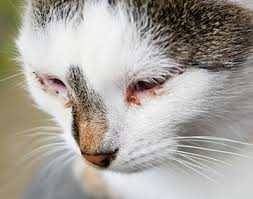
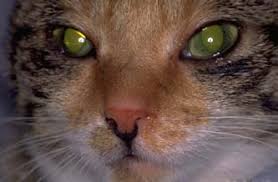
- Severe signs (Virulent Systemic FCV or VS-FCV): While rare, mutant strains can lead to a severe systemic disease with high mortality. Symptoms may include high fever, depression, swelling of the head or legs, crusting sores, ulcers, and hair loss on the face, ears, and footpads. Jaundice and bleeding may also occur.
Transmission
FCV is highly contagious and spreads through direct contact with an infected cat’s bodily fluids. Indirect transmission is also possible via contaminated objects like food bowls, bedding, and human hands, as the virus can survive on surfaces.
Treatment and Prevention
There is no cure for the virus, so treatment focuses on supportive care to manage symptoms while the cat recovers.
- Treatment:
- Supportive care involves keeping the cat warm, clean, and hydrated, and encouraging them to eat.
- Veterinarians may use non-steroidal anti-inflammatory drugs and antibiotics for secondary infections.
- Severe cases may require hospitalization, fluids, and nutritional support.
- Prevention:
- Vaccination is a key preventive measure, included in core cat vaccines, and helps reduce disease severity.
- Good hygiene, including disinfecting with a dilute bleach solution, is important, especially in multi-cat settings.
- Quarantining new cats for one to two weeks is recommended.
- Wash your hands after handling potentially infected cats.
Secondary infections of Cat Flu
Cat flu (Feline Upper Respiratory Infection) often leads to secondary bacterial infections, commonly by organisms like Staph, Strep, Chlamydia felis, or Mycoplasma, which worsen symptoms, turning clear eye/nose discharge yellow-green and potentially causing pneumonia, severe congestion, ulcers, or dehydration, requiring antibiotics and supportive care.
Common Secondary Infections
- Bacterial: Staphylococcus, Streptococcus, Bordetella bronchiseptica, Mycoplasma felis, Chlamydia felis.
- Fungal: Less common, but possible.
Signs of Secondary Infection
- Thick, colored discharge: Clear, watery discharge turns yellow, green, or pus-like from the eyes or nose.
- Severe Congestion: Blocks the sense of smell, leading to loss of appetite (anorexia).
- Pneumonia: Coughing, difficulty breathing, requiring urgent vet care.
- Mouth/Tongue Ulcers: Painful sores.
- Weakness: Lethargy, dehydration, and poor nutrition, especially in kittens and seniors.
Treatment Focus
- Antibiotics: To fight the secondary bacteria.
- Supportive Care: Keeping eyes/nose clean, humidified air (steaming), soft/aromatic foods to encourage eating.
- Hydration: Crucial, as dehydration worsens the condition.
Why They Happen
- The primary viral infection (Herpesvirus, Calicivirus) weakens the immune system, allowing opportunistic bacteria to take hold.
Is Feline panleukopenia a cat flu
No, feline panleukopenia (FPV) is not “cat flu” (feline viral rhinotracheitis); they are different, though both are serious viral diseases, FPV is also called feline distemper or cat parvo, caused by a parvovirus attacking fast-growing cells, leading to severe gastrointestinal issues and immune collapse, whereas “cat flu” usually refers to respiratory infections, with FPV being much deadlier, especially for kittens, and is preventable by vaccination.
Feline Panleukopenia (FPV)
- What it is: A highly contagious, often fatal virus (feline parvovirus) that attacks bone marrow, intestines, and lymph nodes, causing low white blood cell counts (panleukopenia).
- Symptoms: Severe vomiting, diarrhea (often bloody), fever, lethargy, anorexia, dehydration, and potential neurological signs in kittens.
- Also called: Feline Distemper, Cat Parvo, Feline Parvovirus.
Cat Flu (Feline Viral Rhinotracheitis/Herpesvirus)
- What it is: A common respiratory infection, usually caused by feline herpesvirus or calicivirus, affecting the nose, eyes, and throat.
- Symptoms: Sneezing, runny nose/eyes, lethargy, fever, and mouth ulcers.
Key Differences
- Virus Type: FPV is a parvovirus; Cat Flu is typically a herpesvirus/calicivirus.
- Main Target: FPV attacks rapidly dividing cells (immune system, gut); Cat Flu targets respiratory tissues.
- Severity: FPV is much more deadly, especially for kittens, with mortality rates extremely high without care.
- Names: Don’t confuse FPV with canine parvovirus or canine distemper; they are different viruses, though related.
In short, FPV is a severe, often fatal systemic disease, while “cat flu” is usually a less severe, though still serious, respiratory illness, and both are distinct from each other but are both vaccine-preventable.